New Fields of Income: How Detailed Farm Records Are Opening Doors to Agritourism, Carbon Markets, and Direct Sales
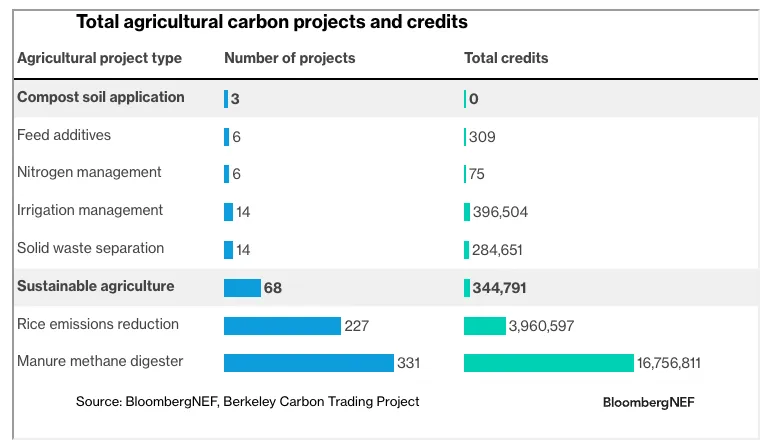
Photo: farmer agritourism direct market carbon credit sustainable agriculture, via assets.bbhub.io
For most of American agricultural history, a farm's revenue potential was defined by what it could grow and what the commodity market would pay for it. Corn yielded a price per bushel. Cattle moved at a price per hundredweight. The acreage determined the ceiling, and the market set the floor. That model, while still dominant, is no longer the only one available to forward-thinking operators.
Across the country, a distinct class of farmers is generating meaningful income from sources that would have seemed peripheral or impractical to previous generations: guided farm tours, verified carbon sequestration credits, subscription produce boxes, and direct relationships with chefs and specialty food buyers. What these operators share—beyond entrepreneurial ambition—is a common foundation: detailed, verified, consistently maintained farm records housed within formal registry systems.
The connection between documentation and diversification is not incidental. It is structural.
The Record as Revenue Foundation
When a farmer maintains comprehensive records of their land's history, soil composition, input applications, crop rotations, and management practices, they are not simply satisfying an administrative obligation. They are constructing a verifiable narrative of their operation—one that third-party certifiers, carbon market auditors, direct-to-consumer buyers, and agritourism visitors can evaluate, trust, and ultimately pay a premium to engage with.
Registry platforms like FarmRegistry USA serve as the infrastructure through which that narrative becomes portable and credible. A farm's documented history, accessible through a verified profile, functions as a credential in markets where trust and transparency are prerequisites for participation.
The farmers who have grasped this dynamic earliest are, not coincidentally, among the most financially resilient operators in their respective regions.
Agritourism: Where Documentation Meets Experience
The agritourism sector in the United States has grown substantially over the past decade, with farm-based recreation, educational programming, and event hosting generating billions of dollars annually. Yet entry into this market is not simply a matter of opening a gate and welcoming visitors. Operators pursuing agritourism revenue typically must navigate liability insurance requirements, state and county permitting processes, and, in many cases, third-party certification programs that verify the authenticity and safety of the farm experience being offered.
All of those pathways are substantially smoother for operators with organized, verifiable farm records. Insurance underwriters assessing agritourism liability policies look favorably on documented land management histories and formalized operational records. Certification bodies—including those associated with state departments of agriculture that administer agritourism development programs—require applicants to substantiate claims about their farming practices, acreage, and operational history.
Consider the experience of a diversified vegetable and livestock operation in Virginia's Shenandoah Valley that transitioned from wholesale commodity sales to a combination of u-pick programming, farm dinners, and educational school visits. The operator credited the farm's detailed registry records—which documented soil health improvements over a decade of cover cropping and rotational grazing—with accelerating the certification process and providing the marketing material that differentiated their agritourism offering from less documented competitors. Visitors, the operator noted, respond powerfully to verifiable stories. A laminated chart of soil organic matter improvements, drawn directly from registry records, became one of the most discussed elements of the farm tour.
Carbon Credits: The Market That Demands Documentation
Of all the emerging revenue streams available to American farmers, voluntary carbon markets may place the highest premium on rigorous, long-term documentation. The fundamental logic of agricultural carbon credits—in which farmers receive payment for sequestering carbon in soil or reducing greenhouse gas emissions through specific management practices—depends entirely on the ability to verify that the claimed sequestration has actually occurred.
Carbon market platforms and the registries that underpin them require participating farms to demonstrate a baseline of prior management history, substantiate claims about practice changes, and submit to ongoing monitoring and verification. Farms that enter these programs with years of documented registry data have a significant advantage: their baseline is already established, their practice history is verifiable, and the administrative burden of initial enrollment is substantially lower.
A grain farmer in central Illinois who enrolled in a soil carbon program through one of the major voluntary market platforms described the process as straightforward precisely because his operation had maintained detailed input records, tillage histories, and soil sampling data within a registry system for several years prior. The program's auditors were able to verify his no-till transition quickly, and his first credit issuance came within months of enrollment. Operators without comparable records, he observed, faced a multi-year baseline-establishment period before generating any marketable credits.
At current voluntary market prices—which have ranged from roughly $15 to over $50 per metric ton of CO2 equivalent depending on the program and verification standard—a mid-sized grain operation managing several hundred acres under carbon-sequestering practices can generate tens of thousands of dollars in annual credit revenue. That figure, layered atop commodity income, represents a meaningful improvement in farm financial resilience.
Direct-to-Consumer Markets: Transparency as a Selling Point
The direct-to-consumer food market—encompassing farmers markets, community-supported agriculture (CSA) subscriptions, online farm stores, and direct restaurant relationships—has expanded dramatically, driven in large part by consumer demand for transparency about food origins and production practices.
For farmers operating in this space, registry-based documentation provides a competitive differentiator that is difficult to replicate through marketing alone. When a CSA subscriber can reference a verified farm profile that documents pesticide application history, soil health metrics, and water management practices, their confidence in the subscription relationship deepens. When a restaurant chef sourcing specialty produce can point to a farm's registry record as evidence of consistent, documented practices, the relationship moves from transactional to partnership-oriented.
A certified organic berry operation in Oregon's Willamette Valley that transitioned to a hybrid model—combining wholesale accounts with a direct subscription program—found that its registry profile served as the primary trust-building tool during the subscription program's launch. Prospective subscribers who reviewed the farm's documented history prior to enrolling converted at significantly higher rates than those who encountered only conventional marketing materials. The operator noted that in a market saturated with producers making similar claims, verified documentation was the differentiating factor that justified a premium subscription price.
The Compounding Advantage of Consistent Records
What emerges from these profiles is a consistent pattern: the value of farm registry data is not static. It compounds over time. A farm that has maintained detailed records for five years is better positioned to enter carbon markets, pursue agritourism certification, and attract premium direct buyers than one that has maintained records for two years. A farm with ten years of documented history occupies an even more advantageous position.
This compounding dynamic creates a powerful incentive for early and consistent registry participation—not as a compliance exercise, but as a strategic investment in future revenue optionality. The farmers who begin building their documented operational history today are acquiring an asset that will appreciate in value as carbon markets mature, consumer transparency expectations intensify, and agritourism demand continues to grow.
FarmRegistry USA exists precisely to support that long-term investment. The platform provides the infrastructure through which detailed, verifiable farm records become the foundation for a more diversified, resilient, and prosperous agricultural enterprise. The acre, it turns out, is only the beginning.